
The whole course content is FREE on YouTube.
Watch free on YouTubeAI Forward Deployed Engineer ProgramAI that moves from demo to deployment.by upGrad School of Technology with Vishwa Mohan
Learn how to take AI from an interesting prototype to a system that works inside a real business.
Learn to identify the right problem, work with stakeholders, design the solution, build across the stack, deploy into real environments, and take ownership of the outcome.
client-engagement · week 06
- 01DiscoverStated problem vs. the real onedone
- 02BuildRAG + agents on the client's datadone
- 03DeployInside their VPC, behind their SSOlive
- 04OwnEvals, cost and adoptionnext
$fde deploy --env client-vpc
✓golden-set evals passed
✓PII guardrails enabled
✓SSO (OIDC) connected
→canary: 10% of support team
$
Companies building FDE teams today
OpenAIAnthropicPalantirStripeGoogle CloudSalesforceMcKinseyBCG
Why Forward Deployed Engineering?
Building the demo
is only the beginning.
AI can look impressive in a prototype.
The real challenge begins when you have to connect it to existing systems, work with imperfect data, handle real users, meet business requirements, and make it reliable enough to use every day.
That's where the Forward Deployed Engineer comes in.
From possibility to production.
Businesses don't just need people who can experiment with AI. They need engineers who can:
Understand the problem
Work directly with stakeholders to identify where AI can create meaningful value.
Build the solution
Turn an idea into a working system across models, software, data, and infrastructure.
Deploy it for real
Navigate the constraints of an actual business environment and make the system usable.
Own what happens next
Measure results, iterate, improve reliability, and keep the system working.
The future of AI isn't just about better models.
It's about better deployment.
Free on YouTube
Free to watch. Yours to build.
0102
What ₹99( Incl. of GST ) unlocks
Watch it FREE. Unlock the full experience for ₹99( Incl. of GST ).
The lessons stay free on YouTube. At ₹99( Incl. of GST ), you get everything that turns watching into doing.
Structured notes
Module-by-module notes that follow the videos, so you revise in minutes instead of rewatching hours.
Practice projects
Hands-on projects for every module, so you build the systems yourself instead of only watching them being built.
Learning platform
One place for the whole course: lessons, notes, projects and your progress.
Community
Learn alongside other engineers on the same path. Ask questions, share what you build and get unstuck faster.
Job-related information
Hear about FDE and applied-AI roles as you work through the program.
Certificate
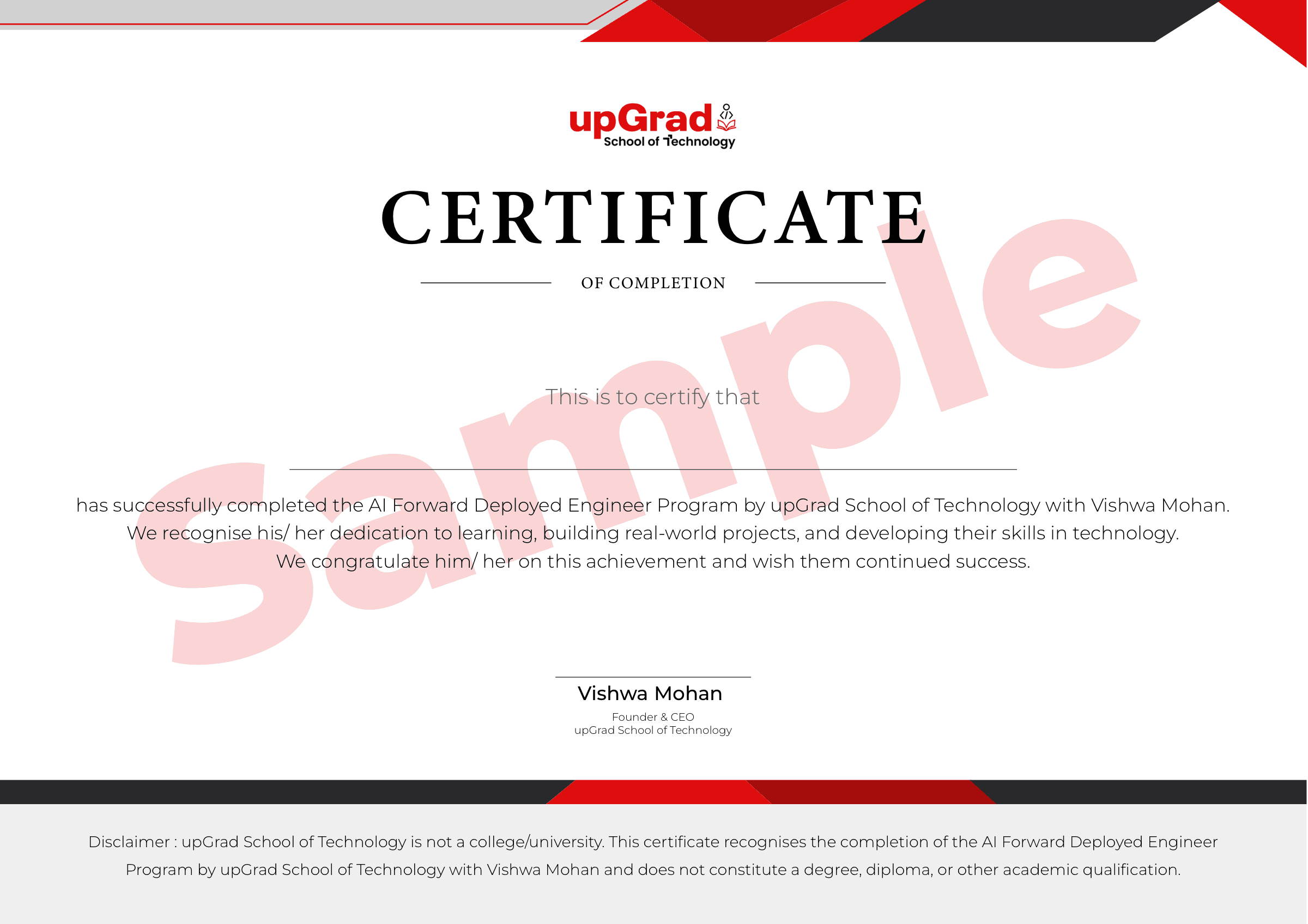
Finish the program and earn a certificate you can add to your resume and LinkedIn profile.





Certificate
Finish the program. Earn the certificate.
Successfully complete the modules and the projects, and upGrad School of Technology issues a certificate with your name on it — one more line on your profile that says you have built this, not just watched it.
Projects
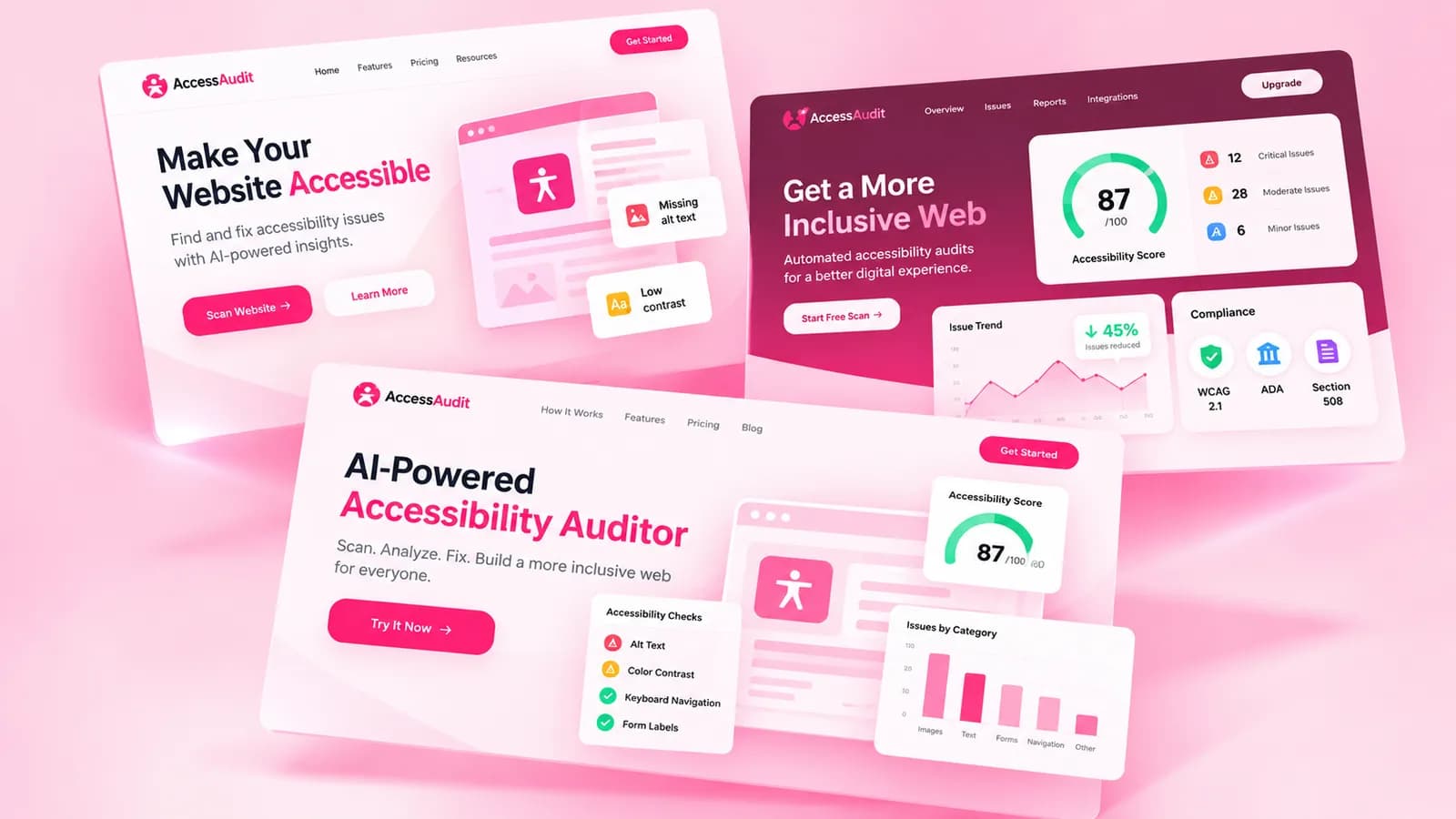
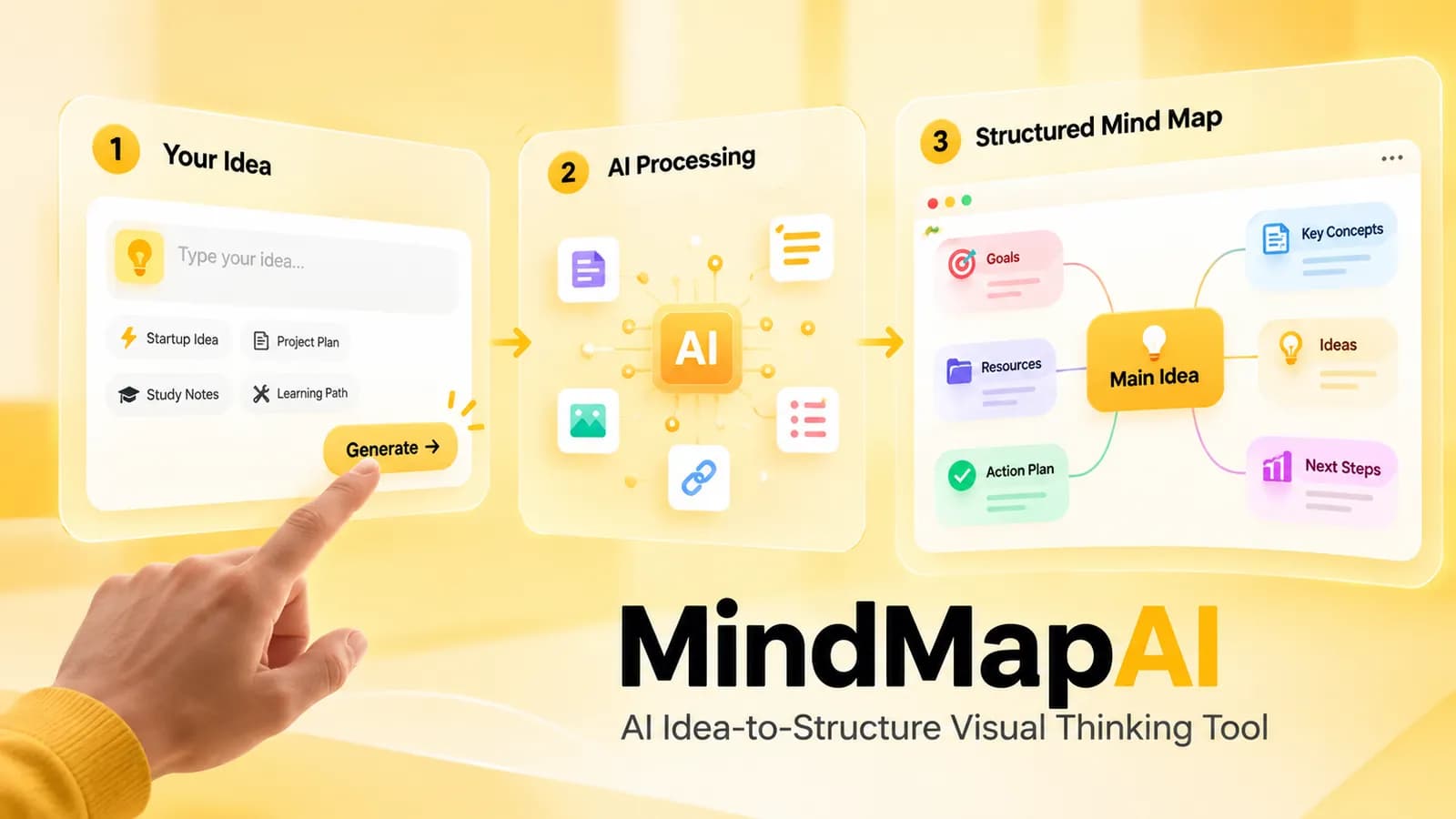
What you'll ship.
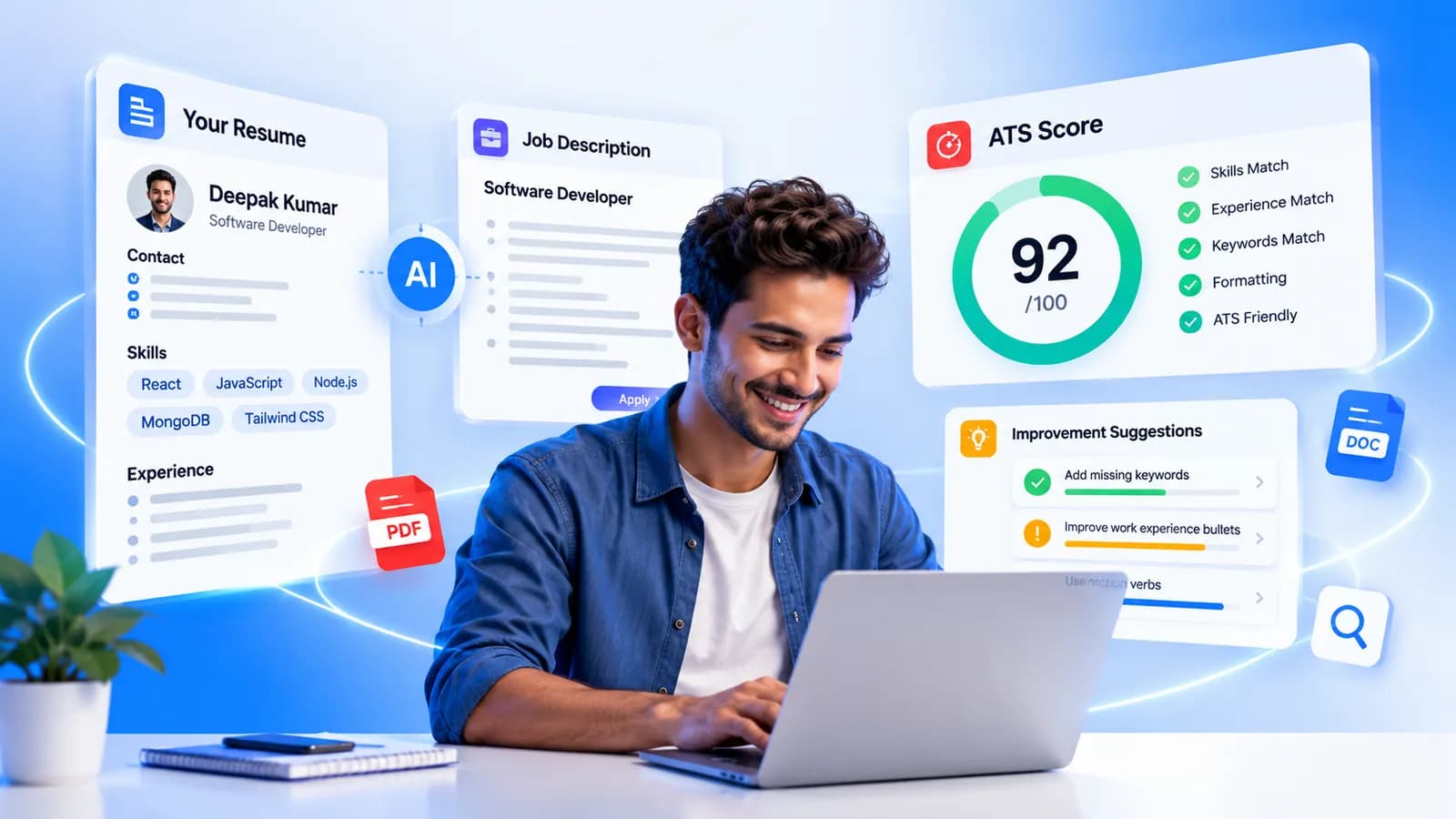
AI Resume/Job-Description Matcher (ATS Scorer)
AI ApplicationRecruiting

0106
Curriculum
The structured FDE curriculum you'll follow.
- Phases
- 9
- Phases
- Modules
- 47
- Modules
- Topics
- 350+
- Topics
1.1What is a Forward Deployed Engineer?
- FDE Role
- FDE Responsibilities
- FDE Mindset
1.2Git & GitHub Basics
- Git Fundamentals
- Working with Changes
- Branching
- Remote Repository
1.3Python Fundamentals
- Python Basics
- Control Flow
- Data Structures
- Functions
- Modules & Packages
- Working with Data
- Error Handling
- Object Oriented Programming
1.4Python Advanced
- Python Project Development
- Pydantic
- API Basics
- FastAPI Fundamentals, Setup & Project Structure
- Path & Query Parameters
- Path Operations & HTTP Methods
- Pydantic Models, Status Codes & Error Handling
- Dependency Injection & API Documentation
- Running, Configuration & API Testing
- Async Programming
- FastAPI Mini Project — Complete API
2.1LLM Engineering
- LLM fundamentals
- Tokens
- Context windows
- Transformers — conceptual understanding
- Embeddings
- Inference
- Model capabilities
- Open vs proprietary models
2.2Prompt & Context Engineering
- Prompt Engineering Fundamentals
- Prompt Structure & Instructions
- Prompting Techniques
- Structured Prompts
- Prompting Frameworks
- Context Engineering Fundamentals
- Building Effective Context
- Output Control & Structured Outputs
- Prompt & Context Testing
- Prompt Optimization
- Engineering Practices
- Basic Prompt Security Awareness
- End-to-End Practice
2.3Model Selection
- Model Selection Fundamentals
- Understanding Model Requirements
- Key Factors in Model Selection
- Model Evaluation and Comparison
- Selecting the Right Model
- Practical Model Selection
2.4LangChain
- LangChain Fundamentals
- Chat Models & Messages
- Prompt Templates
- Structured Output & Output Parsers
- LCEL & Runnables
- Tool Calling
- Chat History & Context Management
- Cost, Caching & Debugging
- Streaming, Serving & Testing
2.5RAG Engineering
- RAG Fundamentals
- Document Ingestion and Preparation
- Embeddings and Vector Foundations
- Vector Stores and Vector Databases
- Building a Basic RAG Pipeline
- Retrieval Engineering
- RAG Evaluation and Iteration
- Advanced RAG Techniques and Architectures
- Enterprise RAG: Security, Access, and Data Management
3.1Workflows vs Agents
- What is an agent?
- What is a workflow?
- Agent vs chatbot
- Agent vs deterministic workflow
- When to use an agent
- When NOT to use an agent
- Reliability vs flexibility
3.2Agent Architecture
- State
- Memory
- Planning
- ReAct
- Router
- Planner/executor
- Supervisor
- Sequential agents
- Parallel agents
- Multi-agent systems
- Human-in-the-loop
3.3LangGraph
- Graph architecture
- State
- Nodes
- Edges
- Conditional routing
- Persistence
- Human approval
- Error recovery
- Retry
- Agent evaluation
3.4MCP
- MCP fundamentals
- MCP architecture
- MCP client
- MCP server
- Tools
- Resources
- Prompts
- Tool schemas
- Authentication
- Authorization
- Secure tool execution
3.5Enterprise Agent Integration
- CRM
- Jira
- Slack
- PostgreSQL
- REST APIs
- SOAP
- Knowledge base
3.6Enterprise Data
- SQL
- Database Investigation
- Data Modeling
3.7Data Engineering for FDEs
- ETL
- ELT
- Data ingestion
- Data validation
- Data cleaning
- Deduplication
- Schema mapping
- Data transformation
- Batch processing
- Data pipelines
- Failure recovery
- PySpark
- Distributed data processing
- dbt concepts
- Data warehouse concepts
3.8Networking Basics
- Networking Fundamentals
- IP Address Fundamentals
- Subnetting & CIDR
- Gateway & Practical IP Addressing
- TCP & UDP
- DNS
- Network Troubleshooting
3.9Linux Basics
- Introduction to UNIX & Linux
- Linux Architecture
- Environment Setup
- Linux terminal and shell concepts
- Essential Linux Commands
3.10Web & APIs
- Web Fundamentals
- HTML Basics
- CSS Basics
- JavaScript Basics
4.1Production API Engineering
- REST API design
- API contracts
- OpenAPI
- Authentication
- Authorization
- OAuth2
- JWT
- RBAC
- Multi-tenancy
- Pagination
- Rate limiting
- Retries
- Timeouts
- Idempotency
- API versioning
- Webhooks
4.2Enterprise Integration
- REST APIs
- SOAP
- XML
- Webhooks
- Third-party APIs
- Legacy systems
- CRM systems
- Ticketing systems
- Slack-style integrations
- Database integrations
- Integration Patterns
4.3State & Event-Driven Systems
- Order and Workflow State
- Messaging Infrastructure
- Event-Driven Basics
- Kafka Basics
5.1Frontend for FDEs
- React
- API Integration
- Authentication
- Authorization
- Error Handling
5.2Operational Dashboards
- Dashboard Fundamentals
- Business Views
- Real-Time Operations
- Role-Based Operations
6.1Docker
- Docker images
- Containers
- Dockerfiles
- Multi-container applications
- Networking
- Volumes
- Secrets
- Container security
- Production hardening
6.2AWS
- IAM
- VPC
- Networking
- EC2
- ECS
- RDS
- S3
- Load Balancer
- CloudWatch
- Secrets Manager
6.3Terraform
- Infrastructure as Code
- Providers
- Resources
- Variables
- Outputs
- State
- Modules
- Environment management
6.4CI/CD
- GitHub Actions
- Automated tests
- Build
- Docker image
- Security scan
- Deployment
- Environment management
- Rollback
- Release strategy
6.5LLMOps
- Prompt versioning
- Model versioning
- Evaluation
- Tracing
- Token monitoring
- Cost monitoring
- Latency
- Model routing
- Guardrails
- AI regression
- Drift
7.1System Design
- Scalability
- Availability
- Load Balancing
- Caching
- Asynchronous Processing
- Distributed Systems
- API Reliability
- Fault Tolerance
- Architecture Trade-offs
7.2Database Scaling
- Read replicas
- Sharding
- Partitioning
- Indexing
- Database bottlenecks
- Distributed databases
7.3Distributed Systems
- Distributed Identities
- Message Guarantees
- Distributed Transactions
7.4Microservices
- Architecture Evolution
- Service Design
- Reliability
- Architecture Decisions
7.5AI at Scale
- Model gateways
- Model routing
- GPU capacity
- Inference scaling
- AI caching
- Batch inference
- Canary model releases
- AI drift
- AI reliability
8.1Application Security
- OWASP Top 10
- Authentication
- Authorization
- RBAC
- Secrets
- API security
- Input validation
- Data protection
8.2AI Security Review & Agent Governance
- Indirect injection
- Excessive agency
- Tool abuse
- Secure RAG
- Agent permissions
8.3SRE & Reliability
- SLAs
- SLOs
- SLIs
- Availability
- Reliability
- Disaster recovery
- Backups
- Incident management
- Postmortems
8.4Incident Response
- Incident detection
- Severity
- Incident commander
- Communication
- Mitigation
- Root-cause analysis
- Recovery
- Postmortem
- Prevention
9.1Technical Discovery
- Discovery frameworks
- Stakeholder interviews
- Business process mapping
- Technical discovery
- System discovery
- Data discovery
- Constraint discovery
- Success metrics
9.2Problem Framing
- Problem statement
- User personas
- Current state
- Future state
- Pain points
- Requirements
- Assumptions
- Constraints
- Risks
- Success metrics
9.3Solution Architecture
- Architecture diagrams
- Data flows
- Sequence diagrams
- API architecture
- AI architecture
- Security architecture
- Infrastructure architecture
- ADRs
- Technology selection
9.4Scope & SOW
- POC
- Prototype
- MVP
- Production
- Scope definition
- Milestones
- Dependencies
- Estimates
- Risks
- Statement of Work
- Acceptance criteria
9.5Customer Communication
- Technical communication
- Executive communication
- Architecture presentation
- Demo
- Incident communication
- Stakeholder updates
- Expectation management
- Scope negotiation
- Handling objections
- Explaining AI limitations
9.6Business Value & ROI
- Business KPIs
- Technical KPIs
- Baseline
- Target
- ROI
- Cost savings
- Time savings
- Revenue impact
- Productivity
- Error reduction
- Adoption
9.7Adoption & Handoff
- UAT
- User training
- Documentation
- Operational handoff
- Change management
- Adoption measurement
- Support model
- Knowledge transfer
- Post-deployment roadmap
9.8Discovery & Design
- Discover
- Define
- Design
- Deliverables
9.9Build & Deploy
- Backend
- Frontend
- AI
- RAG
- Agent
- Integration
- Dockerize
- Deploy
- Monitor
- Evaluate
- Secure
The program built to make you an industry-ready FDE.
Designed for engineers who want to own AI deployments end to end, all the way into production.
What is an FDE?
An FDE takes AI where it matters most: into the real world. A Forward Deployed Engineer works closely with customers and teams to turn complex business problems into working technical solutions. They operate across the entire journey — understanding the problem, designing the approach, building the system, integrating it with existing infrastructure, deploying it, and improving it based on real-world feedback.
One role.
Multiple disciplines.
It's a role that combines the mindset of an engineer with the context of a product builder and the proximity of a customer-facing problem solver.
An FDE may work across
The FDE's job isn't simply to build AI.
It's to make AI work.
Who is an FDE?
Who is a Forward Deployed Engineer?
A Forward Deployed Engineer sits where technology meets the real world.
They combine technical depth with problem-solving, customer context, and ownership — taking an idea all the way from a business problem to a working system.
01 · Build
Turn ideas into working systems.
Design and build production-ready applications using software, data, AI models, and modern engineering practices.
Software Engineering
02 · Deploy
Make them work in the real world.
Integrate systems into existing environments, handle real-world constraints, and build for reliability, scale, and usability.
Platform Engineering
03 · Solve
Solve the problem, not just the technical task.
Work with stakeholders to understand the underlying problem, adapt the solution to the environment, and continuously improve it based on what actually happens in production.
Solutions Architecture
Forward Deployed AI Engineer
Build • Deploy • Solve
The market signal
The market is moving from AI experiments to AI in production
AI models are increasingly accessible. The harder problem is making them work inside real businesses — with real data, real systems, real users, and real constraints.
That is creating demand for a new kind of engineer: someone who can understand the business problem, build the solution, deploy it in the real world, and stay accountable for what happens next.
The opportunity
- AI adoption is acceleratingBusinesses are moving beyond experimentation and looking for people who can turn AI capabilities into working systems.
- The deployment gap is growingKnowing how to use an AI model is different from engineering a reliable solution around it.
- Production skills matterThe value of AI comes from what actually gets adopted, used, and integrated into a business.
- The role is evolvingForward Deployed Engineering sits at the intersection of software, AI, product, and the customer.

Vishwa Mohan
Founder & CEO, upGrad School of Technology
Meet your mentor
Learn from someone who has built at scale.
Vishwa Mohan is the Founder & CEO of upGrad School of Technology. Before that, he worked at Oracle, Walmart, PayPal, LinkedIn and PW.
- Top 40 CIOs ’23
- IIT (BHU) graduate

Past Experience





Frequently asked
questions
Everything you need to know before you start. Still unsure? Apply and we'll get in touch.
Engineers who want to take AI from a promising demo to a system a real business runs on: scoping the problem with the client, building across the stack, shipping it into their environment and owning the outcome.
An engineer who works embedded with the customer. The role began at Palantir, and today OpenAI, Anthropic and Salesforce are building FDE teams, because AI only pays off once it works inside a real business.
No. The curriculum starts with the FDE role and Python fundamentals, then builds up through LLMs, RAG and agents to deployment, system design and the FDE craft.
The whole course content in the 9 phases is FREE on YouTube. When you purchase the LMS for ₹99( Incl. of GST ) for 3 months, you get access to 23 hands-on projects that take their due time to complete.
When you buy the LMS for ₹99( Incl. of GST ) for 3 months, you get access to 23 hands-on labs across the phases, from a Northstar data pipeline and orders API to an AI support copilot, an enterprise support agent and a full production deployment, plus an Autonomous Business Operations Agent project.
Vishwa Mohan, Founder & CEO, upGrad School of Technology. Before that he worked at Oracle, Walmart, PayPal, LinkedIn and PW.
Yes. You'll get a certificate of completion from upGrad School of Technology once you successfully complete the course, assignments, and projects.
No. Paid learners can see relevant openings, such as Forward Deployed Engineer and AI Solutions Engineer roles, in the LMS. The program doesn't promise placement or a particular salary.
Yes. All the course content is free on YouTube. You pay only if you want the full FDE experience via the LMS, which costs ₹99( Incl. of GST ) for 3 months.
For ₹99( Incl. of GST ) you get 3 months of access to structured videos, notes, assignments, project code files, the learning platform, the learner community, job-related information, and a certificate of completion.
The access to the LMS expires. If a learner renews after 3 months, they get access to the content back along with access to the community.
No. Fees once paid are non-refundable.